I'm the Mawmaw Bunny: Graphics for Crafts
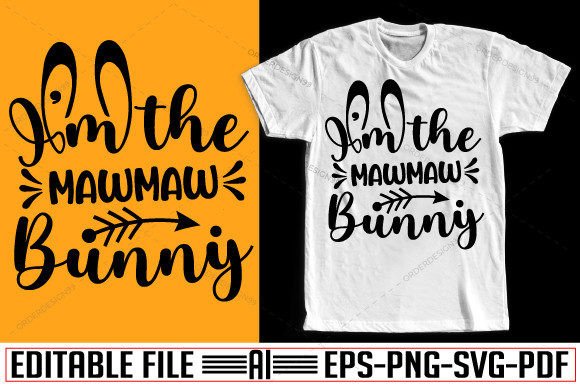
As a brand designer who has spent years refining visual identities for local businesses, I approach every new graphic design asset with a critical eye. It is not enough for an illustration to be cute; it must serve a strategic purpose within a broader brand identity. Recently, I evaluated "I'm the Mawmaw Bunny" for a potential project involving a boutique handmade soap and gift shop. My goal was to determine if this asset could elevate their packaging design and strengthen their connection with a community-focused audience. Upon first inspection, the design exudes a warmth that is often missing in modern, sterile branding. It suggests a personality that is friendly, nostalgic, and deeply rooted in family values.
The mood created by "I'm the Mawmaw Bunny" is distinctly wholesome. It does not scream for attention with aggressive colors or sharp lines; instead, it invites the viewer in with a sense of comfort. This makes it an ideal fit for businesses that rely on emotional storytelling, such as bakeries, children's product brands, or florists specializing in homey arrangements. For a local business trying to differentiate itself from big-box retailers, this type of imagery is gold. It signals that the products inside are made with care, perhaps even by hand, fostering an immediate sense of trust before the customer even reads the label.
Strategic Applications for Small Business Branding
In the context of real-world application, the versatility of this asset is its strongest selling point. The file comes as a 100 Print ready vector file, which is non-negotiable for professional commercial design. Vector scalability ensures that whether we are printing a massive trade show banner or a tiny product label on a jar of honey, the lines remain crisp and professional. I envision using "I'm the Mawmaw Bunny" across a wide spectrum of touchpoints. For a seasonal campaign, it would work beautifully on limited-edition packaging, acting as a hero graphic that draws the eye on a crowded shelf.
Beyond physical goods, the asset translates well to digital spaces. Social media managers can utilize it to create cohesive social media graphics that reinforce the brand's narrative. Imagine a series of Instagram posts for a local bakery where this bunny character appears alongside images of fresh pastries, creating a recognizable visual language. It is also perfect for printable design elements like thank-you cards included in shipping boxes. These small touches significantly improve the unboxing experience, turning a simple transaction into a memorable interaction. From t-shirts and mugs to tote bags and hoodies, the potential for merchandise is vast, allowing a brand to extend its reach beyond its primary products.
Elevating Brand Presentation and Customer Trust
The primary value of integrating "I'm the Mawmaw Bunny" into a small business branding strategy lies in its ability to humanize the brand. In a market saturated with generic templates, a distinct character helps establish a stronger first impression. When customers see consistent use of such an illustration across marketing visuals, hang tags, and website banners, it creates a clearer visual hierarchy. The brain recognizes the pattern, leading to better product recognition. This consistency builds professional credibility; it tells the customer that the business owner cares about the details, which directly correlates to perceived product quality.
Furthermore, this asset supports better shelf appeal. In a retail environment, packaging is the silent salesman. A charming, well-placed illustration can stop a scrolling thumb online or a walking foot in a store. It fosters a stronger emotional connection, particularly with demographics that value tradition and family, such as grandparents buying gifts or parents looking for gentle, safe products for their children. By using "I'm the Mawmaw Bunny" as a decorative brand element, a company can soften its overall aesthetic, making it feel more approachable and less corporate.
Practical Considerations for Implementation
However, no design asset is a one-size-fits-all solution, and "I'm the Mawmaw Bunny" requires thoughtful placement. While it excels in festive, playful, or rustic contexts, it should be used carefully in formal corporate branding or luxury minimalist environments where simplicity is paramount. If a brand relies on ultra-modern, stark aesthetics, this illustration might clash unless used ironically or as a specific sub-brand element. Additionally, designers must be wary of crowding. On very small labels or ingredient-heavy layouts, adding this graphic could compete with essential legal information or readability. It is crucial to maintain low-contrast backgrounds if the illustration is detailed, ensuring it does not get lost or create visual noise.
From a technical standpoint, there are several steps I recommend before finalizing any client work. First, always test the asset on real product mockups. What looks good on a screen might behave differently when printed on kraft paper versus glossy cardstock. Check the black and white usage to ensure the design holds up without color, which is vital for cost-effective printing options like receipts or single-color stamps. Preview the graphic on small labels to confirm that fine details do not blur. It is also wise to test the illustration beside various typography styles—serif, sans serif, script, and display fonts—to find the perfect pairing that complements the bunny's character without overpowering it.
Final Verdict on Commercial Viability
Ultimately, "I'm the Mawmaw Bunny" is a robust tool for creative entrepreneurs looking to inject personality into their professional branding. Its utility spans from editorial design in lookbooks to web design elements on landing pages. Whether utilized as an SVG design for cutting machines in a handmade business or a PNG design for digital overlays, the quality appears consistent. However, as with any design assets sourced from a creative marketplace, verifying the commercial license is the most critical step. Ensure that the license covers physical product sales and client work if you are a designer implementing this for others. When used correctly, this graphic is not just a decoration; it is a strategic asset that can define a brand's voice and deepen its relationship with its community.